Think about the optimal conditions for you to produce your best work. Is it cool or warm enough? Are you hungry or thirsty? How about the wifi speed? Do you have all your tools at hand?
You might not think of these as needs, but if you want to function optimally and create your best work – regardless of whether it’s a poetically written song or a thrilling adventure script – then they are needs. They are needed for you to produce your best work.
And emotional literacy is one of them.

What is emotional literacy?
Emotional literacy can be broken down into five parts:
- Knowing your emotions – and being able to name them
- Having empathy – for both yourself and others
- Managing your own emotions – both positive and negative emotions
- Repairing emotional problems – whether it’s internal or external
- Using all four parts for emotional interactivity – and being conversant in all four aspects
The term was popularised by Claude Steiner, an American psychotherapist whose approach to psychotherapy was rooted in the social theory of alienation. But why is it important?
- If you don’t know your emotions, you’ll lack accuracy in identifying them and thus, managing and repairing them properly
- If you lack empathy, especially for yourself, then it may result in unnecessarily high and unachievable expectations being set
- If you can’t manage your emotions, then you’ll be at the mercy of behaving in whatever way your emotions dictate
- If you can’t repair your emotions, then they’ll become a recurring issue that will waste time and effort that could be better spent on other things

How is emotional literacy different from EQ?
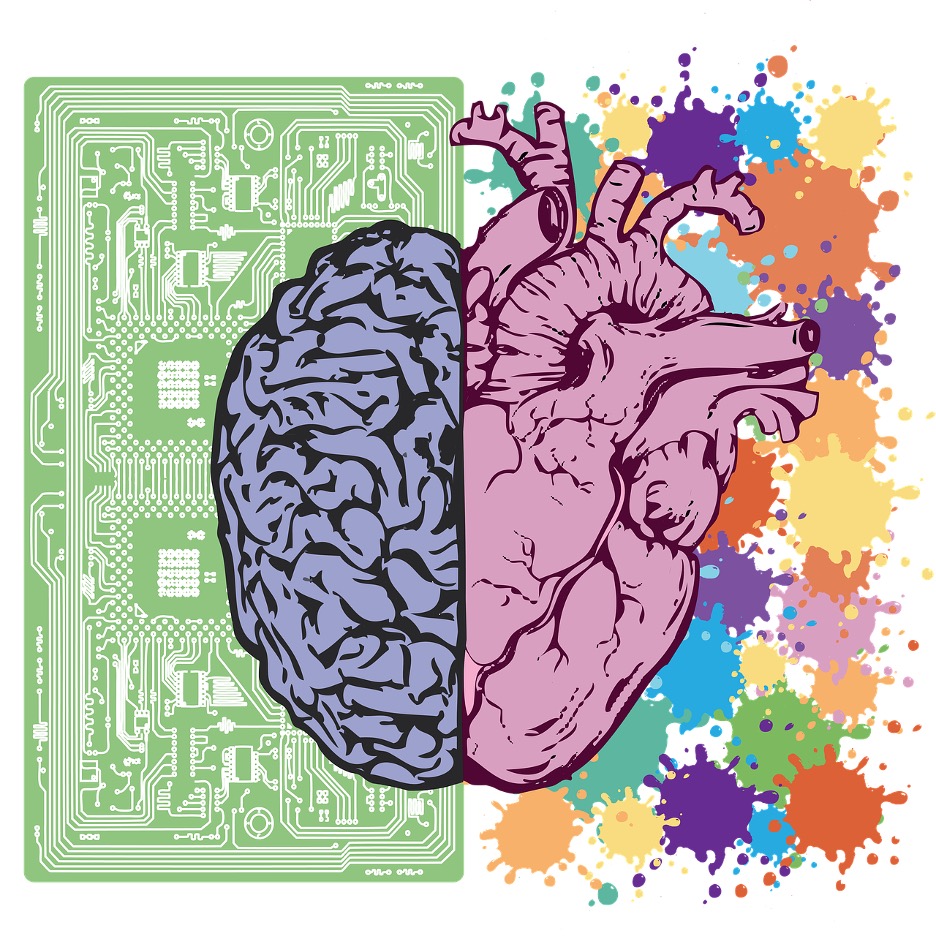
Simply put, emotional literacy is EQ+. EQ refers to the ability to identify, manage, and adjust emotions depending on the situation, whereas emotional literacy adds a component of empathy to that.
It may sound corny, but emotional literacy is heart-centered EQ.
One may have high EQ – but also not have the empathy, morals, and ethics to know how to use it. It’s the difference between Fidel Castro and Martin Luther King Jr. While both may be charismatic leaders, their legacies are vastly different.
But why have empathy and morals? Good question.
It’s the difference between a skilful doctor who goes on to become a plastic surgeon for inane celebrities, and a doctor who helps relieve global suffering or even cure cancer. Both are skilful. But only one has true impact on the world.
And that’s where emotional literacy trumps EQ.

The importance of emotional literacy
Face it – we all want to do our best work. Otherwise, what’s the point of doing it in the first place? To do that, we have to correctly identify our needs for producing our best work.
When you’re performing at your peak, it is important to know why you need to go to the toilet. Is it to pee, or is it to poop? Knowing which bodily function is at work means that you know what to do and what position to get in – otherwise you’re going to make a mess. That’s like EQ.
But knowing that you should do it in the toilet bowl (instead of the sink), knowing that you have to flush for the next person, knowing that you should wash your hands – that’s like emotional literacy. Having empathy for yourself, and others.
Likewise, having the emotional literacy to address your emotional needs is critical. It’s the difference between knowing which work to do first to suit you best. It’s the difference between burning out or giving yourself a good challenge. It’s the difference between good work (EQ) and great work (emotional literacy).
So while being emotionally literate may not be absolutely critical for your survival – it is crucial for you to be at the top of your field.
 Happiness for Busy People
Leave a comment