When was the last time you played?
I’m going to be terribly hypocritical by asking this.
When was the last time you did something that felt silly – maybe even pointless? Something that wasn’t about building skills, or making money, or for social media visibility?
When was the last time you did something just because it made you feel alive?
For busy people, “doing nonsense” feels like. a waste of time. Heck, I even remember how a friend would love to tell me he was “doing nothing” and completely being unable to wrap my head around it.
When you’re a high achiever, you’re conditioned – brought up, even – to believe that every hour has to be maximised, every hobby has to be monetised, and every action has to be optimised. All in the name of productivity.
But the thing is, chasing productivity like this squeezes out the the one thing that actually fuels it.
Play.
Specifically, unstructured play with activities that seem pointless or silly. Doing nonsense.
Lots and lots of nonsense.

What counts as play for adults?
For me, play involves toys. It also involves some playgrounds, as you can see above. Sitting on a dinosaur was a fun act that I did of my own free will, that I did for no other reason other than to sit on a dinosaur. There was no KPI or no “right” way of sitting on a dinosaur.
And that’s what play means for adults – this absolute doing of nonsense.
Play means doing something that is:
- voluntary
- enjoyable
- done for the sake of doing it
- free from any outcome or target
Play is a “state of being that is purposeless, fun, and pleasurable,” according to Dr Stuart Brown. That’s the entire point of it – it’s doing nonsense purely for enjoyment, without any agenda to improve, monetise, or achieve.
Play is how people explore, connect, and innovate. It makes us more open to new perspectives, reduces our close-mindedness and tunnel vision, and triggers parts of the brain in a way that structured work can’t. It’s also a shortcut to flow – that immersive, energising state of deep engagement described by Mihaly Csikszentmihalyi.

A timely reminder
For me, a timely reminder came with the latest anniversary of my emergence on this planet. For reference, these are the things I used to do in previous years: work (as if it’s a normal day), arrange outings and social events, or pack my calendar to maximise that day.
But this year was different. Somehow, I didn’t want obligations. I didn’t want to arrange to meet people or do something, only to groan on that morning itself at having to prepare to go out and not have time to do nonsense at home.
So I did. I did nonsense at home. I ate whatever I wanted. I watched whatever shows I wanted, without the obligation of having to review it on my pop culture site. I opened my toys and played with them without the obligation of having to do an unboxing Reel of it on my hobbyist Instagram account. I took a nap when I wanted to and went out to walk walk at odd times, just because it was what I felt like doing.
It was glorious. It felt so rejuvenating and healing. Freed from the pressures of having to perform, I got to do what I truly wanted to do. It was like… sating a craving.
Charlie Hoehn’s experience: from burnout to playout
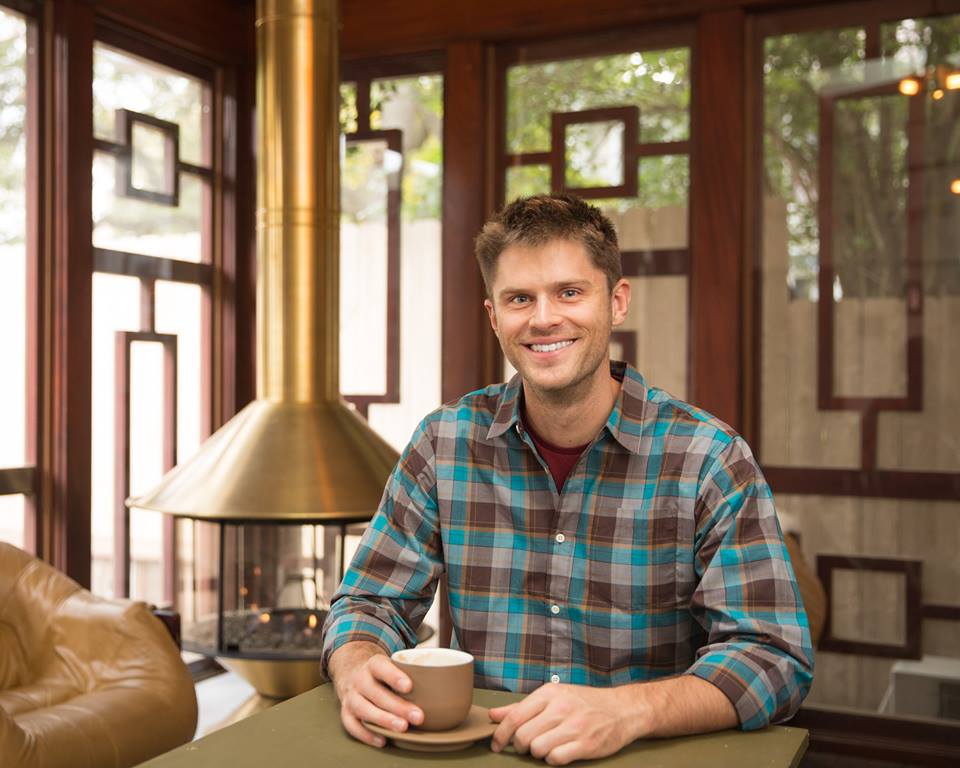
It also reminded me of Charlie Hoehn’s experience with burnout and play. I don’t know him personally (would love to, though!), but here’s his story. He was previously an assistant to Tim Ferriss (yes, that Tim Ferriss), which was an optimisation dream come true. He was super productive, a high achiever, and a Type A person. Burnout snuck up on him despite his immense career success (the full story is here), but there is a happy ending.
Charlie Hoehn discovered the secret of play, which is something I rediscovered recently too. It wasn’t about a lack of output – it was about a lack of play. His recovery was tied to giving himself permission to play, like throwing frisbees, playing catching, and telling jokes.
He’s one of the people I look up to with regard to play, and the importance of it.
The science of how doing nonsense fuels productivity
But does it really work? I mean, am I just telling you to play because I played and found it useful?
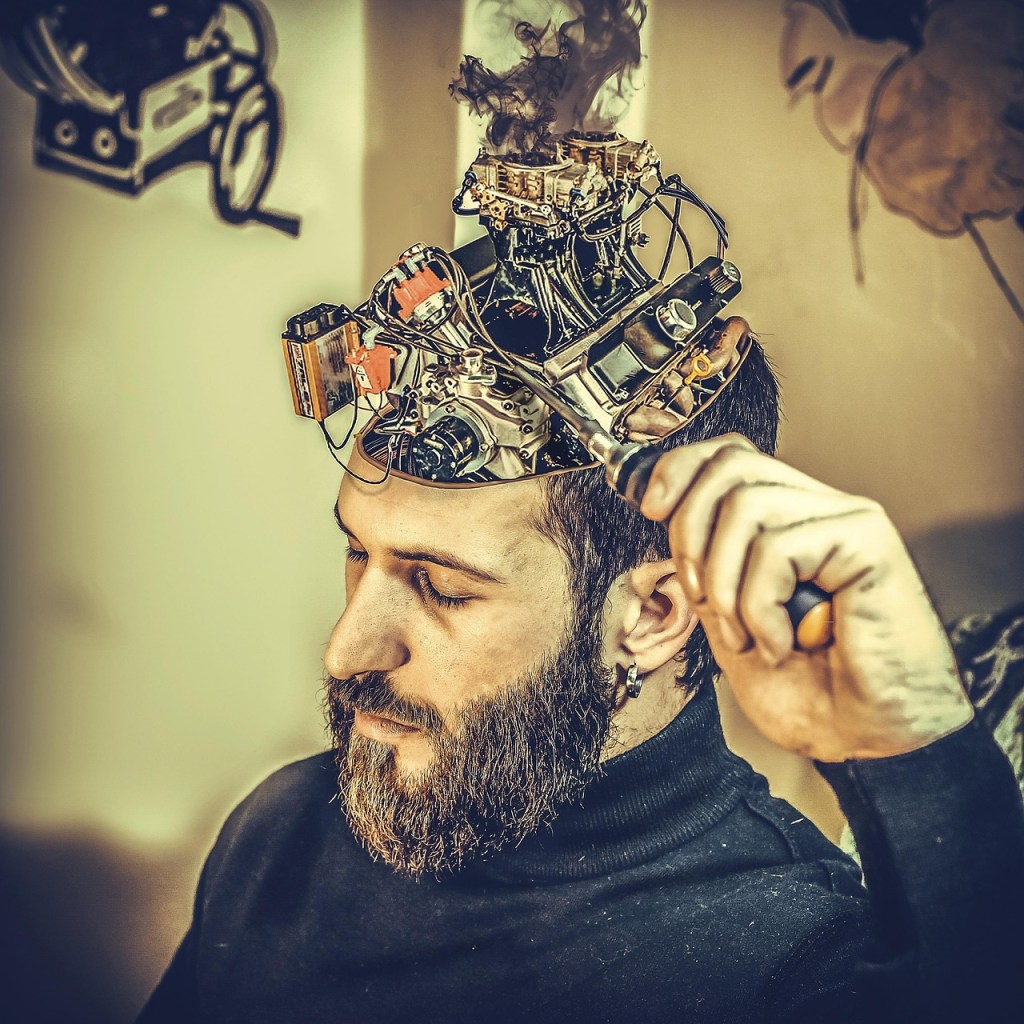
There’s real science behind it. Rest and play triggers the brain’s Default Mode Network, which I wrote about it in mindfulness. And what happens when the brain’s Default Mode Network is on is that deep connections, memory consolidation, and insight happens, as discovered by Mary Helen Immordino-Yang , Joanna Christodoulou, and Vanessa Singh.
Play also gives us autonomy, and depending on the type of play, competence and connection too. All this correlates with Self-Determination Theory, as explained by Edward Deci and Richard Ryan, which posits that people perform at their best when needs for autonomy, competence, and connection are met.
Doing nonsense is good for our wellbeing too – it reduces cortisol, while boosting dopamine and oxytocin, which was uncovered in a study by Jaak Panksepp. (It also does the same for rats, apparently).
When you play in a psychologically safe environment, collaboration and innovation happens. Mary Ann Glynn and Jane Webster’s studies revealed that even light-hearted interactions and reduce fear and unlock creativity in groups. So playing socially – just having fun without pressure – might work better than another Gantt chart.
And finally, play can be a form of deep rest. When you look at the different types of play, it correlates very closely to Dr Saundra Dalton-Smith’s seven types of rest – physical, mental, sensory, creative, emotional, social, and spiritual.
In summary, the research shows that play:
- Activates our Default Mode Network for deep connections, memory consolidation, and insight
- Fulfills our needs for autonomy, competence, and connection through Self-Determination Theory, which helps us perform at our best
- Reduces cortisol, and boosts dopamine and oxytocin
- Reduces fear and unlocks creativity
- Is a form of deep rest

“But if I monetise my hobby, then I get to have fun and make money at the same time!”
I monetised my Transformers collecting hobby for a while, in my aforementioned Instagram. I liked to do unboxings, so I did more and more videos. And the collaborations and monetisation was great. But then it stopped becoming about collecting toys for fun, and about collecting toys for the visibility and the commercialism of it.
The thing is – when you monetise your hobby, you change the motivation for it. Your hobbies come about from intrinsic motivation. But monetising it means that you change that into extrinsic motivation – money, fame, praise. You turn your hobby into a job.
And the more you try to turn your passion into a side hustle, the less joy it brings.
I’m not saying you say no to every form of monetisation for your hobby. I’m saying that, as you gain recognition for the things you like to do – remember to do it for the love of the hobby first, and the rewards second.
For me, I think I’ll move away from being a toy influencer for now, and start collecting toys for the fun of it.

The Play Menu
I have what I call my Recharge List – a list of things I do to recharge, that are to play. I try my best to do all of it every week, but again, it’s play – it doesn’t have to be that structured.
With that in mind, I’m espousing a play practice for adults (and children) – not just for productivity, but also for your rest and rejuvenation. I’ve themed it with Dr Saundra Dalton-Smith’s seven types of rest.
| Physical Play (gentle, embodied activities) | – nature walks – rolling around the floor – slow stretches – climbing things – massages |
| Mental Play (mindless, calming activities) | – doodling or writing aimlessly – puzzles – Lego – playing computer games – reading |
| Sensory Play (low stimulation) | – playing with clay, kinetic sand, or just popping bubble wrap – shadow puppetry – solo crafts – playing an instrument |
| Creative Play (wonder and aesthetic) | – visiting an art exhibition – following a heritage trail – playing with colour through watercolours or colourful pens – drawing – storytelling |
| Emotional Play (expressive, unfiltered activities) | – daydreaming – journalling as a fictional character – writing fan fiction with you as the main character – improv – gibberish sessions (talking nonsense) |
| Social Play (restorative connections) | – doing activities with safe friends (the non-judgemental kind) – reminiscing on the past or nostalgia – singing in sync with others (like at a song circle or KTV) |
| Spiritual Play (soulful, meaning-making activities) | – stargazing – contemplating mortality – contemplating existence and the universe – writing gratitude notes – making birthday cards |
You don’t have to “complete” the Play Menu! Let it be a buffet and choose whatever you want more of. The point is that this isn’t a checklist – it’s a springboard.
For me, my Recharge List looks this:
- Massages (physical)
- Baldur’s Gate 3 (mental) (okay it’s very mentally stimulating for some but I like it)
- Playing the drums (sensory)
- Drawing chibi art (creative)
- Writing fan fiction (emotional)
- Games with safe friends (social)
- Making birthday cards (spiritual)

You have permission to play
So here is your permission to play. Because you don’t have to earn the right to play. You should play, because it’s good for you. Not every single moment of your life has to be optimised (a lesson I’m learning).
If it’s not for the benefits, then it’s for your health.
Because the question isn’t whether you can afford to play. The question is whether you can afford not to.

You might also want to read
References
Csikszentmihalyi, M. (1990). Flow: The Psychology of Optimal Experience. Harper & Row.
Hoehn, C. (2014). Play It Away: A Workaholic’s Cure for Anxiety. Lioncrest Publishing


 Happiness for Busy People
Leave a reply to Fun isn’t frivolous – it’s the secret sauce of great learning design – Fun to be Smart Cancel reply