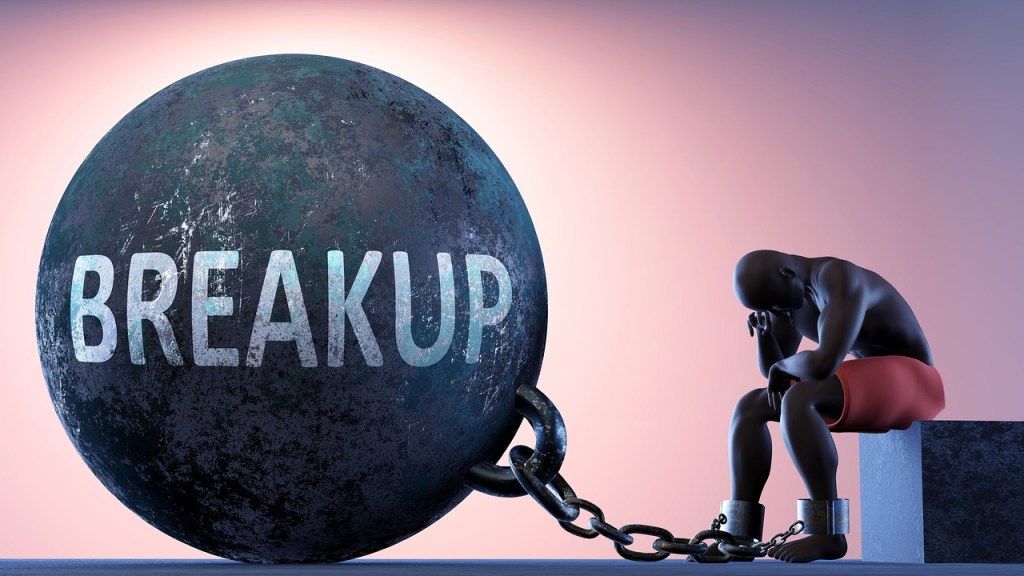
When a friendship ends
You know what I mean. That friend who now replies to your invites with “oh but I wanna sleep in today”. That friend who now responds with a 👍 to your memes. That friend who now takes two weeks to respond to your texts but is posting nonstop on social media.
If that was a friend with whom you used to text gregariously with, hang out every weekend doing nonsense, and have late night calls talking about everything in the world – then it’s a friendship breakup.
The thing is, unlike romantic breakups, friendship breakups aren’t really discussed much. But the ending of a friendship can be just as painful as that of a romantic relationship. And the fact of the matter is – it probably happens more often than romantic breakups (unless you’re that kind of person).
It can blindside or shame you. It can affect your professional output, lowering your bandwidth for productivity. When a friendship ends, it’s not socially acceptable to let it hamper your ability to function – but the truth is, it does. And you can’t really talk about it.
But understanding, processing, and healing from friend breakups is crucial for emotional wellbeing simply because it can, and will happen to all of us.

Defining a friend breakup
A friend breakup is when a platonic relationship ends or is redefined. Like with romantic breakups, there are multiple ways it could happen. It could be a sudden, conflict-driven breakup – or it could be a slow fade marked by unanswered texts, unspoken tensions, and a painful longing. No matter how it happens, the loss is real.
It’s inevitable that adults naturally experience social pruning because the average person has fewer close friends as they age (Dunbar, 2018).
The problem with friend breakups is this. There are usually no rituals or closure. Even worse, there’s no social permission to grieve, which can make it harder to navigate than romantic breakups.
And grieve you must – because a friendship breakup is a loss. Losses need to be grieved before we can overcome them.

Initiator or recipient – both are affected
If you’re thinking “eh I initiated it, I should be fine” – that’s not the case. Just like with a romantic breakup, the initiator can be affected by it too.
The initiator of a friendship breakup often goes through the guilt of being the one to initiate it, second-guessing over whether they were wrong or overreacted, and anxiety about hurting the other person at times. It can cause rumination which impacts decision-making and have social consequences.
For the recipient of a friendship breakup, the pain is obvious. There are feelings of rejection, betrayal, confusion, and grief. It causes lowered self-esteem and also increased rumination, and it often impairs focus. There’s also a chance that the recipient may experience attachment rupture (Eisenberger & Lieberman, 2004), which affects their trust in other relationships.
The initiator probably moves on faster because they have agency, while recipients may need more support and meaning-making to heal fully.

Types of friend breakups
Like with romantic breakups, friend breakups can span the gamut. Here are the most common I’ve noticed.
- The Slow Fade: A decrease in the amount of contact, constant ghosting. There’s no formal goodbye, no threshold when you realised the breakup happened. For me, this happened with a JC friend because… we just didn’t stay in touch.
- The Conflict Breakup: This is marked by fights and betrayals. Fundamentally, it boils down to value misalignment, and it could be because values changed or they never aligned in the first place. This happened to me when I stopped pandering to a spoilt brat’s self-centered idiocy, who didn’t like it.
- The Situational Drift: This happens because life transitions – like jobs, moving away, or parenthood – driving a wedge. The breakup happens because one party feels they no longer have the priority they should. This happened to an army friend of mine when I went to university.
- The Boundary Break: When one party outgrows the relationship due to differing needs. It usually comes about because of some form of self-growth. For me, it happened with friends from an ex-company when I changed industries.
- The Seasonal Friendship: Sometimes you ‘re friends for a season, for a period, Sometimes you’re not meant to be friends for a lifetime. It’s hard to identify, but it happened for me with friends for a particularly gruelling course I went for.
Sometimes friend breakups can be a combination of a few, but I feel these mostly cover the types of friend breakups.

Signs that you’re in the middle of a friend breakup (or you’re about to be)
Before you diagnose a friend’s lack of contact as a friend breakup – I’m going to say this. A lack of contact does not equate to a friendship breakup, because friendships are not always about constant contact. It’s also a matter of communication styles, which may or may not be a result of values.
Rather, emotional dissonance is the factor that a friendship breakup is imminent. Some symptoms of these are:
- Feeling emotionally drained after communication
- Dreading meetups or contact
- Misaligned values, priorities, or beliefs
- Lingering resentment or unresolved tension
- Negative social comparisons (think jealousy or envy) that lead to guilt or inadequacy
- Fantasising about not having to deal with that person
The problem with emotional dissonance is that it raises cortisol levels and reduces cognitive performance (Slatcher, 2010). So it’s worth resolving your feelings over a friend breakup, rather than letting it linger.

The impact of a friendship breakup on wellbeing
In positive psychology, the PERMAH model of wellbeing has six components – Positive Emotions, Engagement, Positive Relationships, Meaning, Accomplishments, and Health. You might think that a friend breakup only affects the Positive Relationships component.
But it actually affects all six pillars of wellbeing. Just like with a romantic breakup, a friendship breakup hurts you on multiple levels – not just the social one. How?
- Loss of joy, laughter, and/or shared moments coupled with an increase in shame, sadness, grief, and/or anger (reduced Positive Emotions)
- Disrupted former friendship routines or shared hobbies leads to decreased flow and energy (reduced Engagement)
- Major social support removed leads to loneliness and insecurity, increased distrust of people, guardedness against new people, social withdrawal, and hesitation in forming new relationships (reduced Positive Relationships)
- Loss of a shared purpose and/or identity, especially for close friends (reduced Meaning)
- Lack of motivation to achieve goals from less encouragement and/or shared wins, reduced focus on projects, less emotional bandwidth to complete tasks, (reduced Accomplishment)
- Poorer sleep, anxiety, headaches, jaw tensions, and lowered immune system response resulting from stress (reduced Health)
A friend breakup is a full-blown, full-body, full-brain injury that hurts you holistically. (Neff, 2011). And social pain activates the same neural pathways as physical pain (Eisenberger & Lieberman, 2004) so it’s a double whammy when you couple it with the physical symptoms.
I’m naming this – naming the painful, tangible, real effects of ended friendships – to let you know that you’re not alone. The pain is legitimate, and you have a right to feel the way you do.

How to get over a friend breakup
Getting over a friend breakup is about grief – processing that loss and then finding a way to move forward. With that in mind, this is how I’ve process my friend breakups.
1. Identify and name the loss
It’s painful, but naming something and saying it out gives it less power. Saying that “This friendship has ended” may be painful, and it also quantifies into something smaller and tangible, from an amorphously huge mess previously. It creates closure. It also helps you to remember that the memories mattered.
You can also use journalling or voice notes (if you’re in that age group) to help with your internal monologue. Or you can write that person a letter that you will never send to them.
2. Own your role without shame or judgement
It takes two hands to clap, and likewise, it takes two parties to be in a friendship together. Reflect on your part in the friend breakup without blame (on yourself or otherwise). If you initiated it, then acknowledge the reasons for breaking up with the friend with self-compassion. If you were on the receiving end, then affirm that you’re still worthy even after the friend breakup, and your emotional reality of the situation.
3. Process the friend breakup with self-compassion
Friend breakups raise cortisol – but self-kindness reduces the cortisol response (Neff, 2011). Treat yourself the way you’d treat a friend who went through his or her own friend breakup. It is a painful event, and it can be traumatic – so treat yourself with the same of kindness you’d have for a romantic breakup.
4. Avoid triggers
It goes without saying – but avoid any social media that may be upsetting. Give yourself that time to heal. Explore somewhere new with no memories attached.
While the wound heals, don’t poke or scratch at it. Let it heal, and it will.
5. Refill your wellbeing tank with PERMAH resources
The holistic injury to your wellbeing means that you should tend to every aspect of PERMAH, to try to bring them up to pre-friendship breakup levels. How?
- Watch a comedy, do gratitude journalling for the people still in our life, and sit with the feelings that come (Positive Emotions)
- Engage in flow-inducing work or your favourite hobbies – even if it’s by yourself (Engagement)
- Make a fun plan with another friend, reconnect with other friends, explore new communities, stay open to meeting new friends and trust that new friends will come (Positive Relationships)
- Reaffirm your values, beliefs, life goals, and identity that are independent of the former friendship (Meaning)
- Set yourself small, energising, fun goals for daily wins (Accomplishment)
- Prioritise your sleep, hydration, movement, and self-care (Health)
6. Create new rituals and routines
The thing about friend breakups is that you all used to do things together. And there’s that empty time slot now. If you don’t do anything during that time slot, it’ll reinforce the hurt of the ended friendship.
So replace it. Replace that time slot with a new activity. Or do that activity with a new group of people. It’s the freedom to create something new. New rituals help to regulate the nervous system and rebuild agency.
7. Use the pain as fuel for meaning
If you’re like, channel that pain (and possibly anger) into something productive. Create something new and positive. Remember that even suffering can serve a purpose when we assign meaning to it (Frankl, 1963). You can ask:
- What did this friendship teach me?
- Who did this friend breakup help me become?
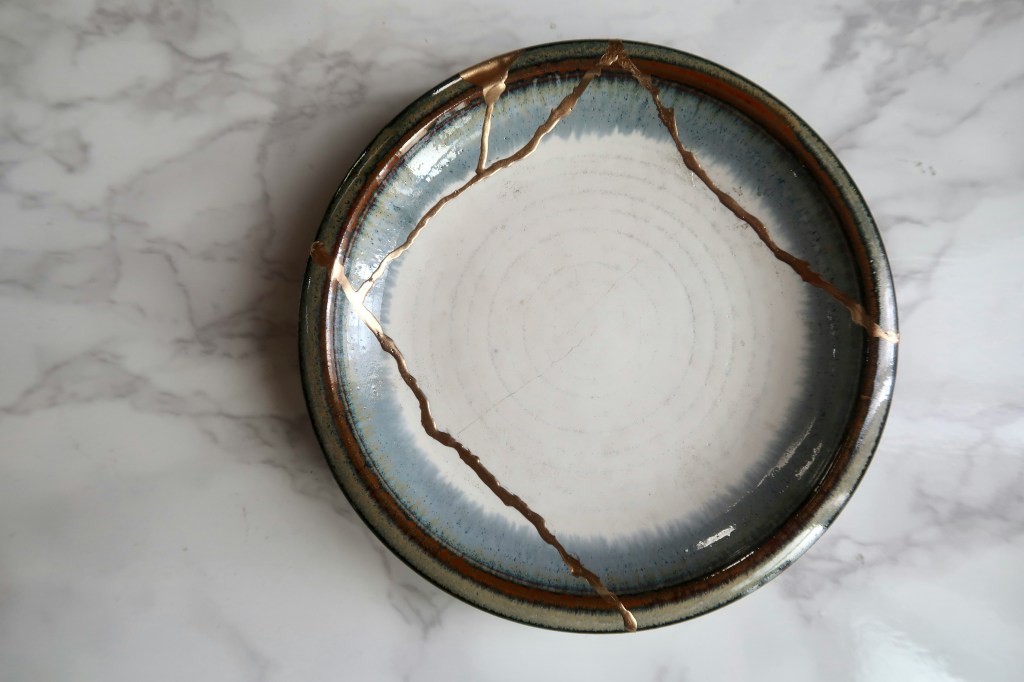
Take the time to heal, so you can do more
After a friend breakup, even if you’re not feeling it – the fact that you consider a friend breakup means that it hits you on some level. So taking the time to heal will help restore you to your formerly productive self.
How? For one, letting go of the intrusive thoughts reclaims head space and restores your mental clarity. With improved emotional regulation, your moods are more stable, leading to more consistent performance. It also strengthens your boundaries because your criteria for future connections has probably increased, leading to less emotional leakage. Then there’s the elevated focus and flow, because emotional repair reactivates cognitive control and creativity (Csikszentmihalyi, 1990). And when you emerge stronger, it increases your confidence in facing other challenges (Tedeschi & Calhoun, 2004), which leads to greater purpose and grit.

Letting go of a friend is a skill
Friend breakups hurt, but they don’t define you. No matter whether you were the initiator or the recipient, the real work is the same.
Reflect, reframe, then rebuild.
In life, there will be people who walk beside you for a season, and those who don’t. Knowing how to release them – truly release them – is a skill. Releasing them with grace and learning from the experience is challenging, but it’s a skill worth mastering.
And if you’re reading this, and you’re grieving over a friend breakup…
I see you.
It’ll be okay.

References
Dunbar, R. I. M. (2018). The anatomy of friendship. Trends in Cognitive Sciences, 22(1), 32–51.
Neff, K. D. (2011). Self-Compassion: The Proven Power of Being Kind to Yourself. HarperCollins.
Frankl, V. E. (1963). Man’s Search for Meaning. Beacon Press.
Csikszentmihalyi, M. (1990). Flow: The Psychology of Optimal Experience. Harper & Row.

 Happiness for Busy People
Leave a comment